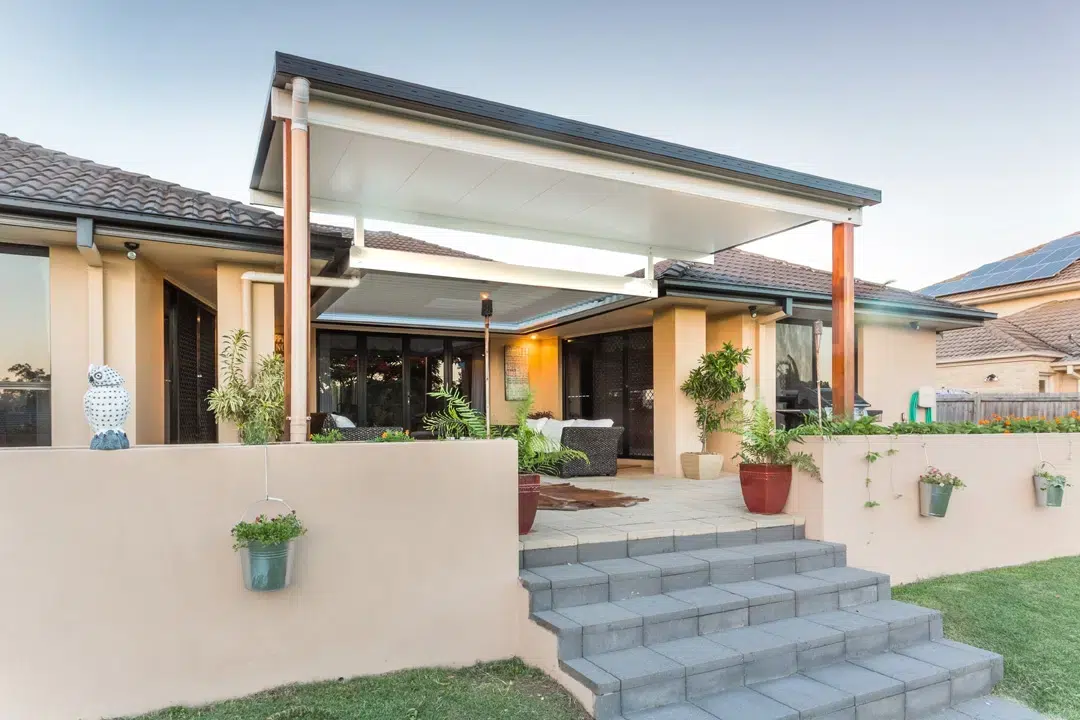
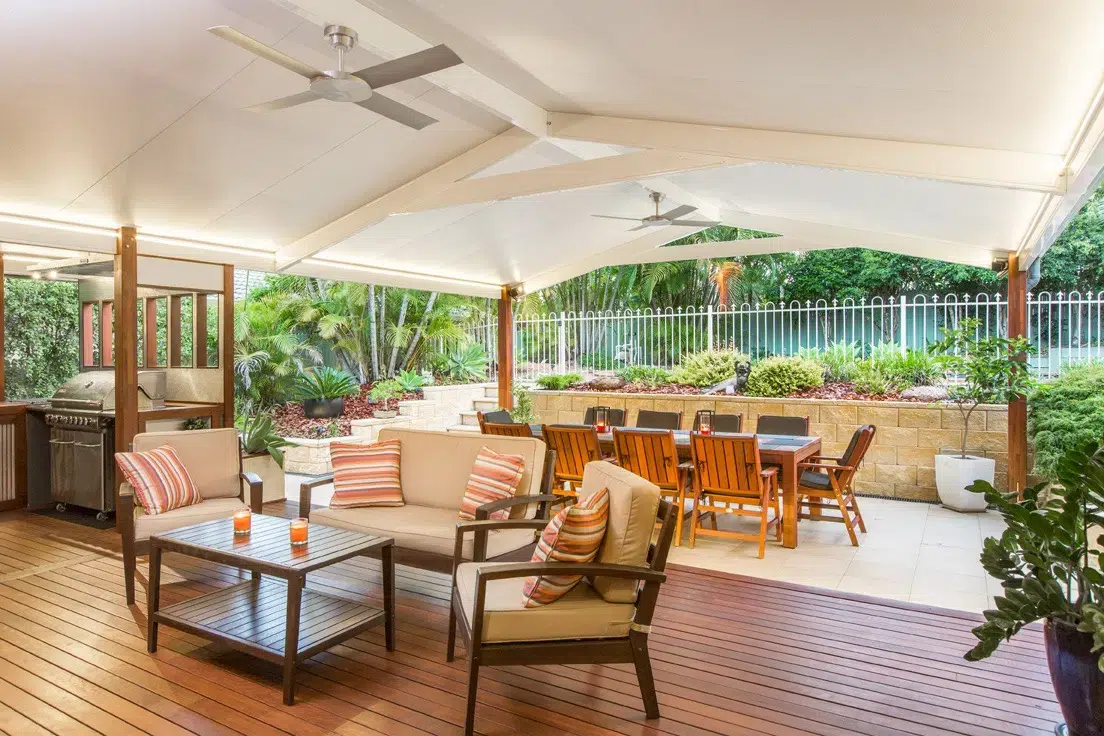
In Victoria, most roofed patio and pergola structures require a building permit before construction begins. Some properties also require a planning permit, depending on where the home is located and what council overlays apply to the land. Knowing which permits apply to your project is the most important step before any outdoor structure is designed or quoted.
For all the patios we build across Melbourne, Trueline manages the permit process as part of our process. Our design consultants assess permit requirements during the initial consultation, and we handle the building permit as standard on every project. But to help you get your head around what’s required, we’ll explain the permit framework so you know exactly what’s involved before you start.
Planning Permit vs. Building Permit
These are two separate approvals, issued by two different authorities, and they exist for different reasons.
A building permit is issued by a registered building surveyor, not your local council. It confirms that the proposed structure meets the requirements of the National Construction Code and the Building Regulations. For most roofed patio and pergola projects in Victoria, a building permit is required regardless of their size.
A planning permit is issued by your local council and applies when a property sits within a particular zone or overlay, such as a heritage overlay, a bushfire-prone area, or a design and development overlay. Planning permits are about land use and built-form controls, not construction standards.
Depending on your home and what you’re building, you might need both. The Victorian Building Authority provides the regulatory framework that governs building permits in Victoria.
When Does a Roofed Patio or Pergola Need a Building Permit in Victoria?
You almost always need a building permit if the structure has a roof.
Under the Building Regulations, roofed structures attached to or associated with a home are classified as Class 10a buildings, which brings them within the scope of the building permit system. Here’s how it breaks down:
Open pergolas with no roof covering may qualify for a permit exemption if they meet specific size and setback conditions set out in the regulations. These exemptions are site-specific and depend on factors including floor area, height, and proximity to property boundaries. An open pergola doesn’t automatically mean no permit is required; it means it’s worth checking.
Roofed patios, verandahs and carports almost always require a building permit, irrespective of size. Everything from a Colorbond roof to a polycarbonate sheet or an insulated panel brings the structure into the permit system.
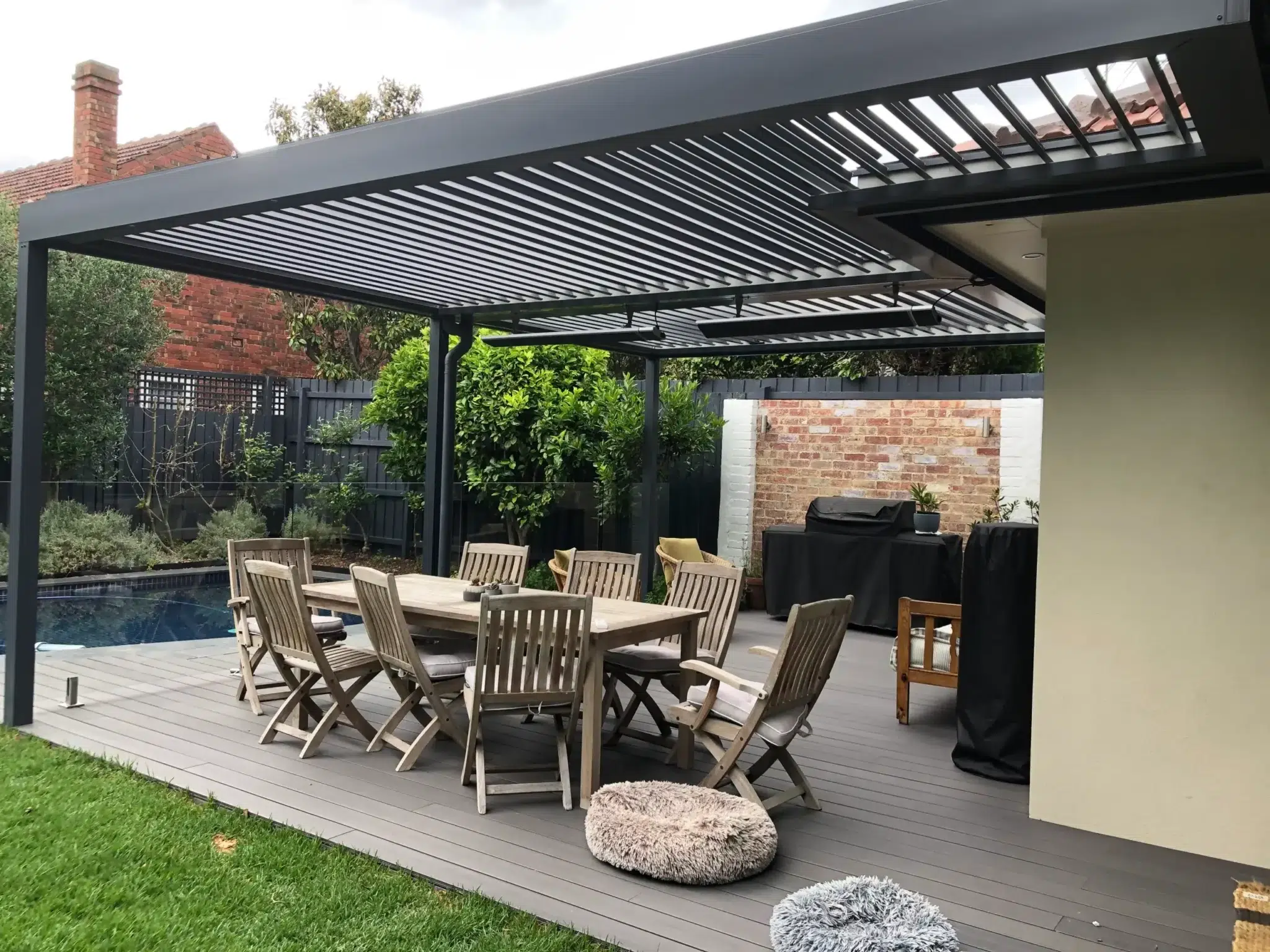
Insulated roof systems, flyover patios and louvre pergolas are treated the same way. The roofing material or system doesn’t change the requirement.
When Is a Planning Permit Also Required?
A planning permit is a separate layer that applies in addition to the building permit. Whether one is required depends on your property’s zoning and any overlays that apply to the land.
Common triggers for a planning permit in Victoria include:
Heritage overlays
Properties in heritage precincts or individually listed on the Victorian Heritage Register are subject to planning controls that can affect the design, materials and placement of any new structure, including patios and pergolas.
Bushfire Management Overlays
Properties in or near designated bushfire-prone areas must comply with planning requirements relating to construction materials and siting, which affect outdoor structures as well as the home itself.
Design and Development Overlays
Many Melbourne councils apply these overlays to manage built-form outcomes in specific areas. Patios and pergolas may trigger a planning permit where they affect the character of the streetscape or exceed certain setback thresholds.
Inner and middle-ring Melbourne suburbs
Some councils in these areas apply tighter controls on rear and side setbacks than the standard building regulations allow. Where a structure breaches council-specific setback requirements, a planning permit is required before the building permit can be issued.
If a planning permit is required for your project, our team assesses this during the design consultation and manages the process where needed. You won’t have to stress about figuring out your specific overlay controls on your own. That’s part of what an experienced local builder like us brings to the project.
What Does the Permit Process Actually Involve?
For most residential patio projects in Victoria, the building permit process follows a clear sequence. When you work with us, we’ll take care of all of this for you, but it can be helpful to know what’s happening behind the scenes. Here’s what it looks like in practice:
1. Design confirmation and structural drawings
Once the project design is agreed, our team prepares the structural drawings and specifications required for the permit application.
2. Engagement of a registered building surveyor
We engage a registered building surveyor to assess the application. This isn’t something you’re responsible for arranging.
3. Application lodgement
The application is submitted with the required documentation: site plan, structural engineering, product specifications and any relevant certificates.
4. Permit assessment and approval
The building surveyor reviews the application and issues the building permit. Any conditions attached to the permit are noted and carried through to construction.
5. Construction and mandatory inspections
Inspections occur at key stages during the build as required by the permit conditions.
6. Certificate of Final Inspection
Once construction is complete and inspections are passed, a Certificate of Final Inspection is issued. This is the document that confirms the structure was built in accordance with the approved permit.
Building permits in Victoria typically take two to six weeks from the date of application, depending on surveyor workload and the complexity of the project. A planning permit adds further time, since these applications are assessed by the local council and have their own statutory timeframes.
What Happens If You Build Without a Permit?
Building without a permit in Victoria creates problems that tend to surface at the worst possible time.
Structures built without the required permits may be subject to a building notice or building order requiring you to either rectify the structure to meet the regulations or have it demolished. Both outcomes will end up costing you much more money and hassle than getting a permit in the first place.
Unpermitted structures can also become a problem if you plan to sell down the line, holding up the settlement and even affecting the sale price. They can also impact your home insurance. Where a structure wasn’t built to code or lacks the required permits, insurers may decline claims related to that structure.
Why Melbourne Homeowners Choose Trueline to Handle This
Managing Victoria’s permit process requires experience with the building regulations, familiarity with how local councils apply planning overlays, and a building licence that allows a company to take legal responsibility for the work.
Here at Trueline, our team’s been building patios, pergolas, carports and verandahs for over 50 years, giving us over 75,000 projects under our belt. As a licensed builder operating under the Victorian Building Act, we manage the building permit process as part of every project. You don’t need to organise a separate contractor to coordinate, and you won’t have to worry about any of the admin involved.
Our design consultants are experienced in the specific planning requirements that apply across Melbourne’s inner, middle and outer suburban areas. We know which councils apply tighter setback controls, which overlays regularly trigger planning permits, and how to design structures that meet the regulations without unnecessary compromise to the project outcome.
Let Us Handle Everything
Getting the permits right from the start protects the structure, the property and the investment. If you’re planning a patio, pergola or carport, our free design consultation is the place to start. We’ll come out and have a look at your site, confirm what’s required, and take the permit process off your hands.
Do I need council approval for a patio in Victoria?
Building permits in Victoria are issued by a registered building surveyor, not the council. A planning permit from the local council is required separately if the property sits within a heritage overlay, bushfire-prone area or other planning control zone. Both may be required for the same project.
Does Trueline manage the permit process?
Yes. The building permit is managed by us as part of every project. Where a planning permit is also required, we manage this in consultation with the homeowner.
How long does a building permit take in Victoria?
Building permits in Victoria typically take two to six weeks from the date of application, depending on the registered building surveyor and the complexity of the project.
Will I need to deal with the council directly?
In most cases, no. Building permits are handled through the registered building surveyor, not the council. Where a planning permit is required, council is involved, but we manage this process on your behalf.
For many people, an outdoor area can easily become unusable simply because it’s too much work. The furniture needs to be covered before every storm. The decking needs recoating again.…
Live here for long enough and you’ll soon learn Melbourne’s reputation for four seasons in one day isn’t just a line locals trot out for visitors. Between November and March,…
By the time most homeowners land on this question, the big decision is already made. You’ve decided you’re building a patio. What’s in front of you now is a quote…
With over 50 years' of experience, Trueline has helped thousands of Australian homeowners design custom outdoor spaces they love, from patios and pergolas to carports and verandahs. Built to last. Designed for the way you live.
*Discounts offered on most products and designs and apply to new customers only. Speak to your Trueline Design Consultant or local branch for more details.